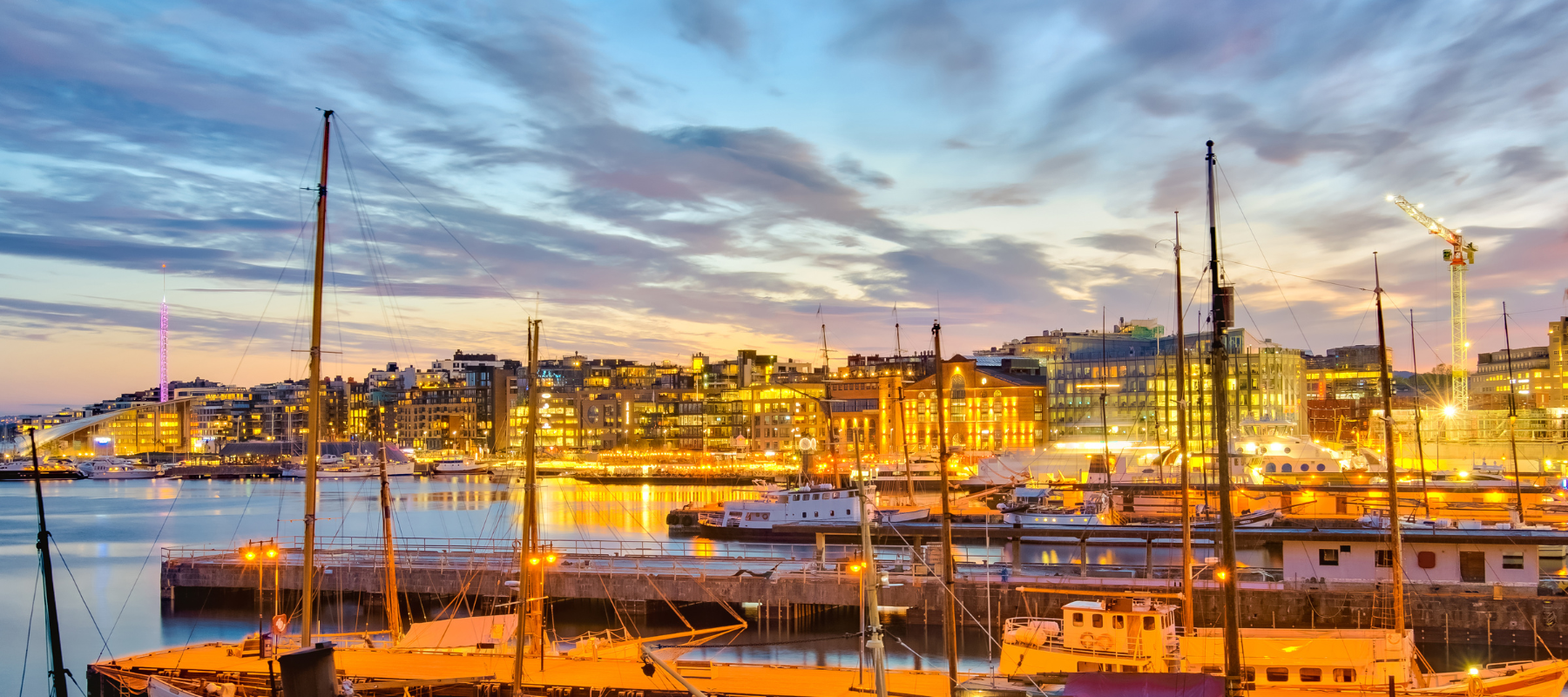
Oslo at a glance:
Oslo is the political, economic, and cultural centre of Norway, hosting the government, parliament, royal family, and a diverse population of over 730,000 residents.
The City of Oslo has a combined role as both a city government and a county authority, making it responsible for a wide range of services such as education, health, transport, and urban planning.
Oslo is well known for its 10 rivers from mountain to sea through density areas challenging city especially under snow-melting and heavy rain. Several of these rivers are running close to quick clay areas and the city holds several quick clay high risk areas.
- Key challenges:
- Fragmented governance limits coordination and the development of shared situational awareness across the disaster management cycle.
- Low interoperability between stakeholder propriatry systems restricts secure data sharing and joint analysis through trusted common platforms.
- Insufficient technological capacity hampers the reduction of uncertainty and the flexibility needed for effective disaster risk management and governance.
The TOGETHER Way Forward:
- Enable cross-sectoral and cross-level governance by establishing shared information, knowledge, and situational awareness throughout the disaster management cycle.
- Facilitate interoperable and secure data platform to support trusted information sharing and joint analysis.
- Empower stakeholders with innovative digital tools to reduce uncertainty and increase stakeholders’ capabilities, availability and flexibility.
Stakeholders involved:
- DRMIH lead: City of Oslo
- Partners: Disaster management agencies, Civil protection, First responders, Red Cross, Local businesses, transport infrastructure operators